There is no single standard price for a custom tin box. Unlike ready-made packaging, custom tin packaging is quoted according to the exact size, structure, material, printing, finishing, order quantity and delivery requirements of each project.
Two tins that look similar in a photograph can have very different costs. One may use an existing mold, while the other requires new tooling, deep embossing, a special insert or additional protective packaging. Understanding these variables helps buyers prepare a clearer inquiry, compare quotations accurately and avoid unexpected costs later.
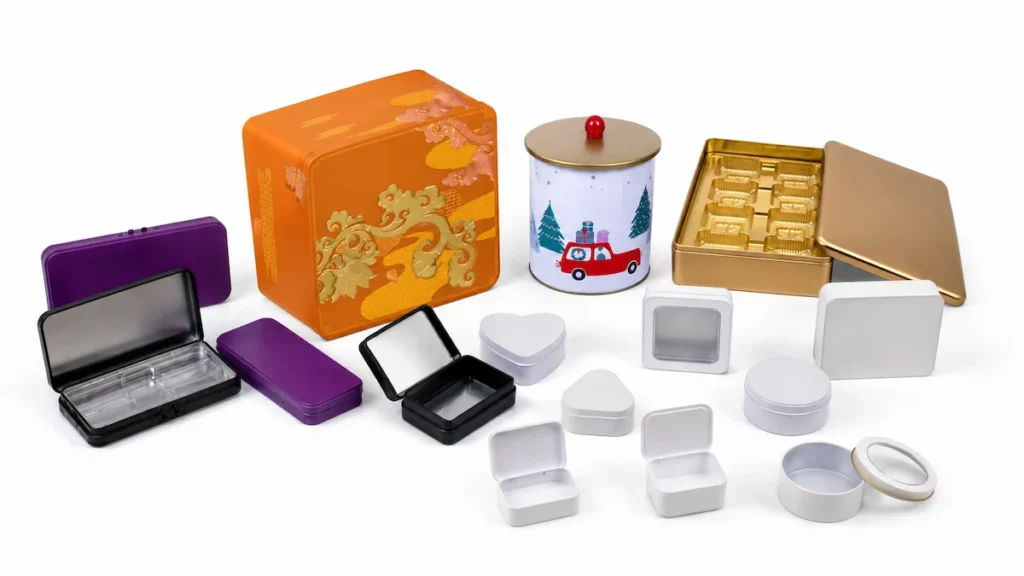
What Determines Custom Tin Box Cost?
The main factors affecting custom tin box cost include the mold, order quantity, dimensions, tinplate specification, printing, surface finishing, embossing, inserts, sampling and shipping. An accurate quotation should therefore be based on a complete product specification rather than only a reference photo.
1. Existing Mold or New Tooling
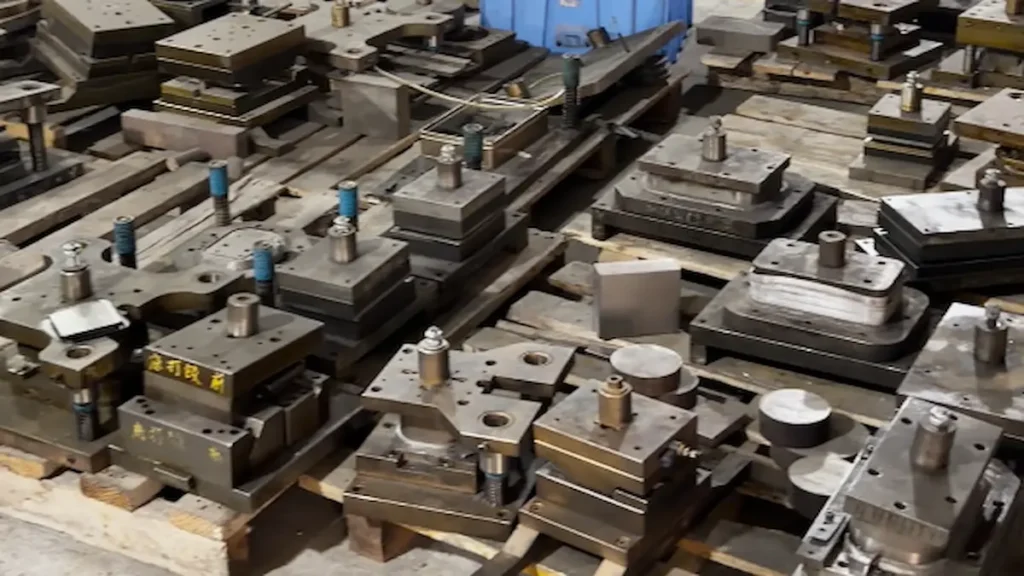
Using an existing mold is usually the most economical starting point. It avoids or reduces new tooling investment and can also shorten the product development schedule. With access to more than 10,000 existing mold options, many common round, square, rectangular, oval, heart-shaped and specialty structures can be evaluated for a new project.
If an exact size or proprietary structure is required, new tooling may be necessary. Tooling cost depends on the shape, dimensions, lid and bottom construction, forming complexity and whether additional embossing tools are required. A highly irregular three-dimensional tin generally requires more engineering and tooling work than a standard round or rectangular container.
2. Minimum Order Quantity (MOQ)
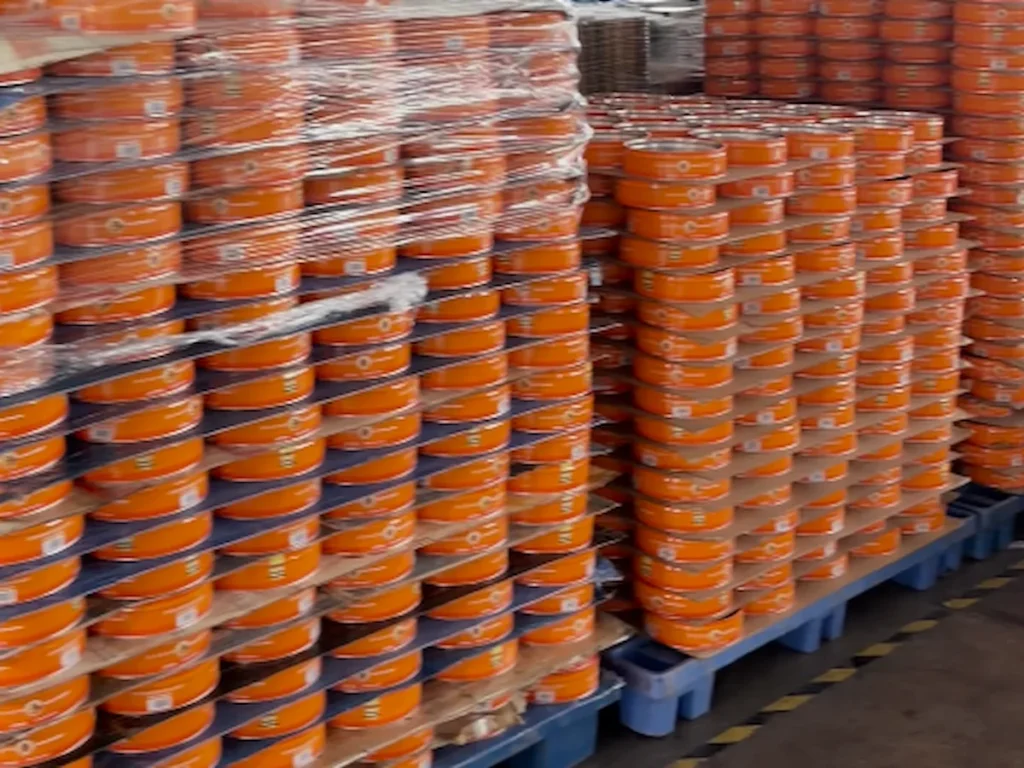
Minimum order quantity has a direct effect on custom tin box cost. Printing setup, machine adjustment, material preparation and quality control involve fixed costs that must be distributed across the total order quantity. As the order volume increases, these costs are shared across more units, usually resulting in a lower unit price.
For projects using an existing mold, the typical MOQ is approximately 3,000–5,000 pieces per design, depending on the tin size, structure and printing requirements. New tooling, complex structures or multiple artwork designs may require a higher quantity. Buyers should therefore confirm the required quantity for each size and design when requesting a quotation.
3. Tin Size, Shape and Structure
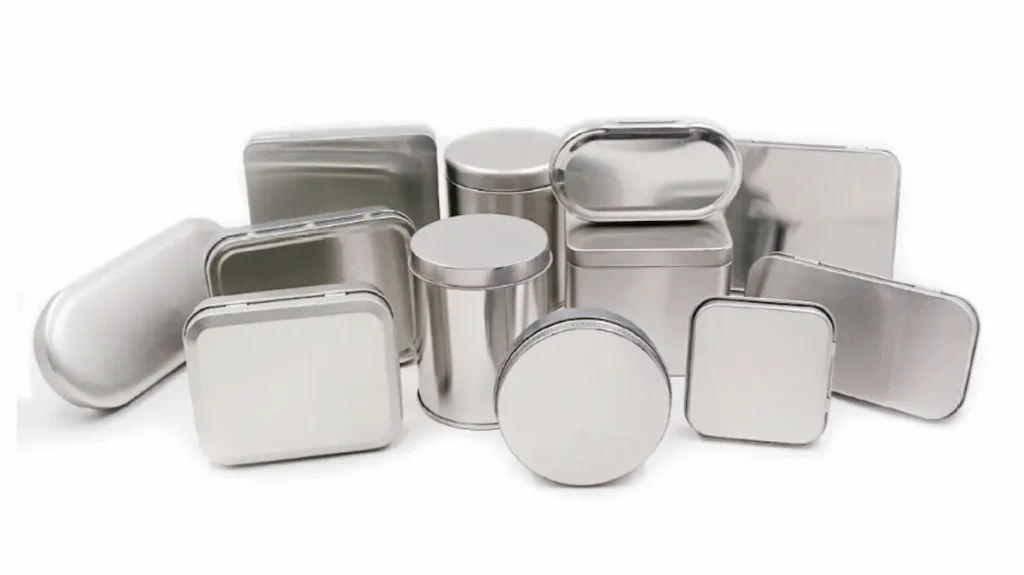
Tin size and shape are important cost factors because they affect material consumption, production efficiency and packing volume. Larger or deeper tins generally require more tinplate, while compact standard shapes are often more economical to manufacture and transport.
Round, square and rectangular tins usually have simpler production structures. Irregular shapes, deep-drawn bodies, hinged lids, windows, handles or multi-piece constructions may require additional forming steps and more complex tooling. Providing the exact internal or external dimensions and intended product capacity helps the supplier recommend the most suitable structure and prepare a more accurate quotation.
4. Tinplate Thickness and Internal Coating
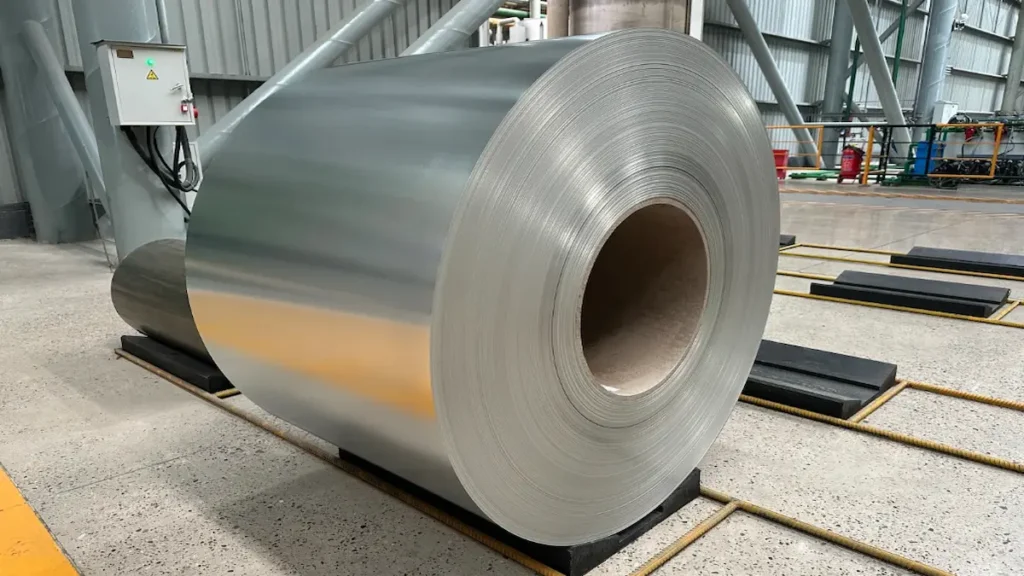
Tinplate thickness influences the strength, forming performance and cost of a custom tin box. A common specification is approximately 0.23 mm, although the appropriate thickness depends on the tin size, structure and intended use. Larger containers or structures requiring additional rigidity may need a different material specification.
The internal surface may be finished with clear lacquer, gold lacquer or another suitable protective coating. For food packaging, the coating and testing requirements should be confirmed according to the product, filling conditions and target market. Buyers should inform the supplier whether the tin will have direct food contact so that the appropriate material and testing arrangements can be evaluated.
For U.S.-market projects, buyers can also review the FDA’s official information on packaging and food-contact substances.
5. Printing and Color Requirements
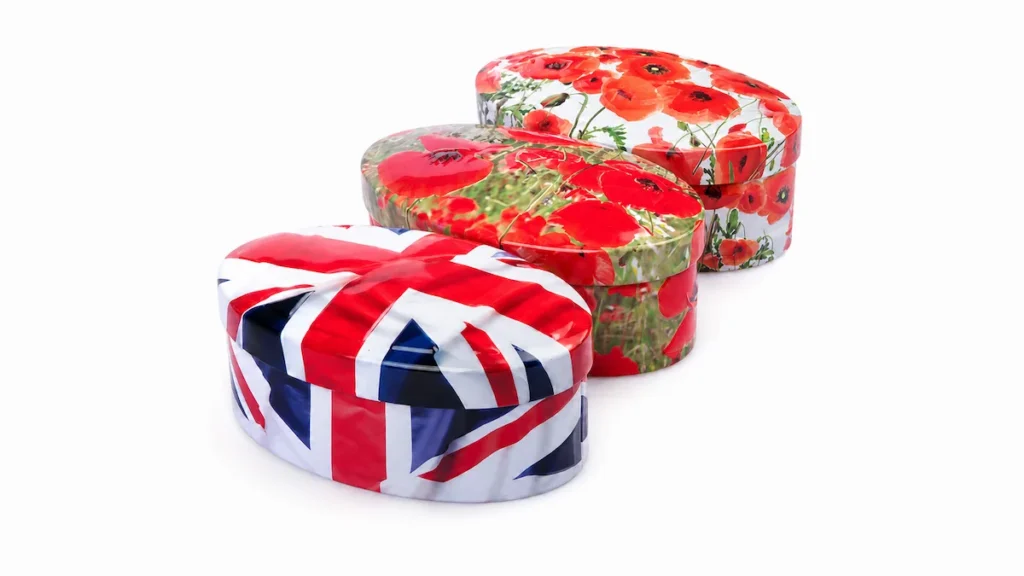
Printing requirements can significantly affect the final appearance and cost of custom tin packaging. CMYK printing is commonly used for detailed artwork and photographic designs, while Pantone colors may be selected when more consistent brand color matching is required. The final result can also vary depending on whether the artwork is printed over a white base coating or directly onto the natural metallic surface.
Each artwork design requires separate file preparation, color adjustment and printing setup. Orders containing several designs in small quantities may therefore have a higher unit cost than one design produced in the same total quantity. Buyers should provide editable artwork files, color references and any special printing instructions before sampling.
6. Surface Finishes and Embossing
Surface finishing affects both the appearance and cost of custom tin packaging. Common options include glossy varnish, matte varnish, partial gloss, metallic effects and soft-touch finishes. Combining several effects may require additional production steps and more detailed quality control.
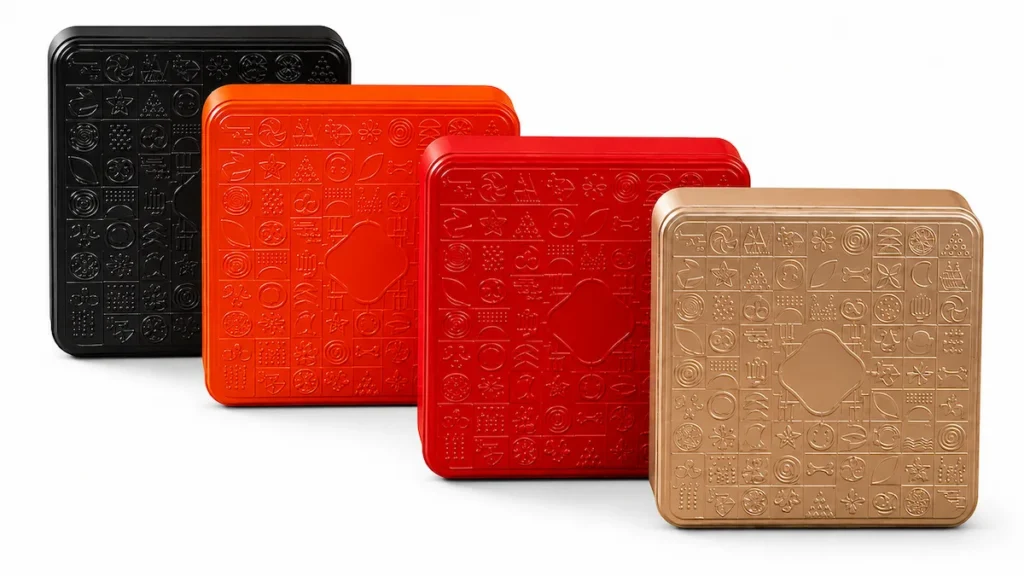
Embossing or debossing can highlight a logo, pattern or decorative element by creating a raised or recessed surface. Simple 2D embossing is generally more economical, while deep or complex 3D embossing may require dedicated tooling and additional sampling. The embossed areas should be clearly marked in the artwork so that tooling and production costs can be evaluated accurately.
7. Inserts and Packaging Accessories
Custom inserts help hold the product securely, improve presentation and reduce movement during transportation. Common options include paperboard inserts, thermoformed plastic trays and silicone inserts. The cost depends on the material, dimensions, number of compartments and whether a custom insert mold is required.
Additional accessories such as windows, handles, hinges, locks, ribbons or outer sleeves can also affect the quotation. These components may increase material costs, assembly time and packing volume. Buyers should provide the product dimensions or physical samples so that the insert and tin structure can be evaluated together.
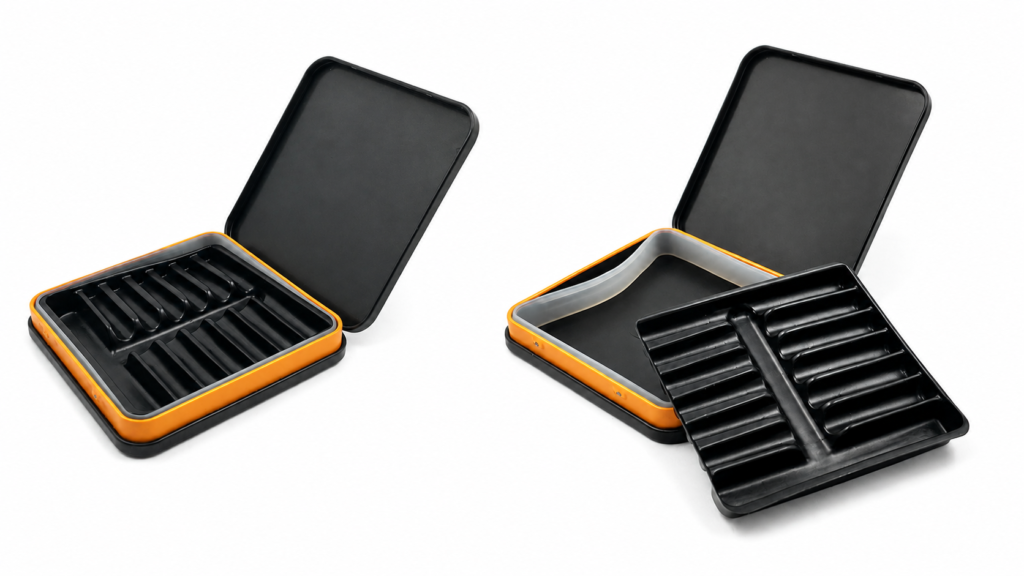
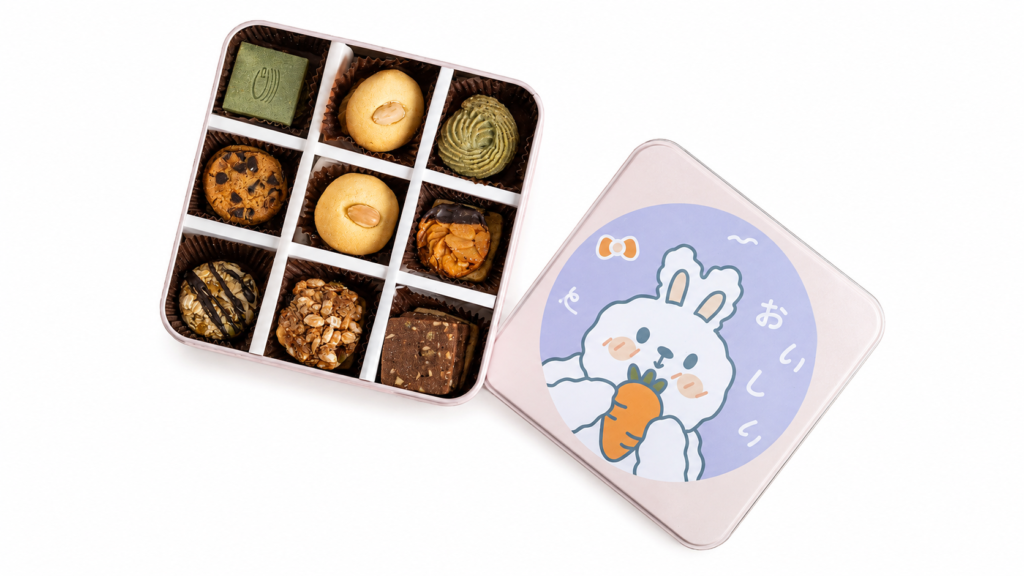
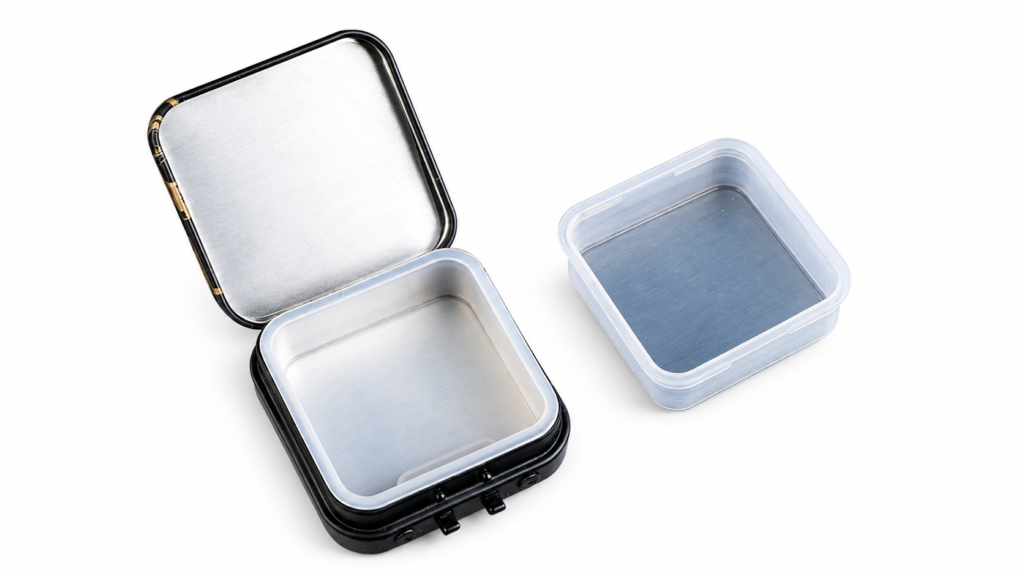
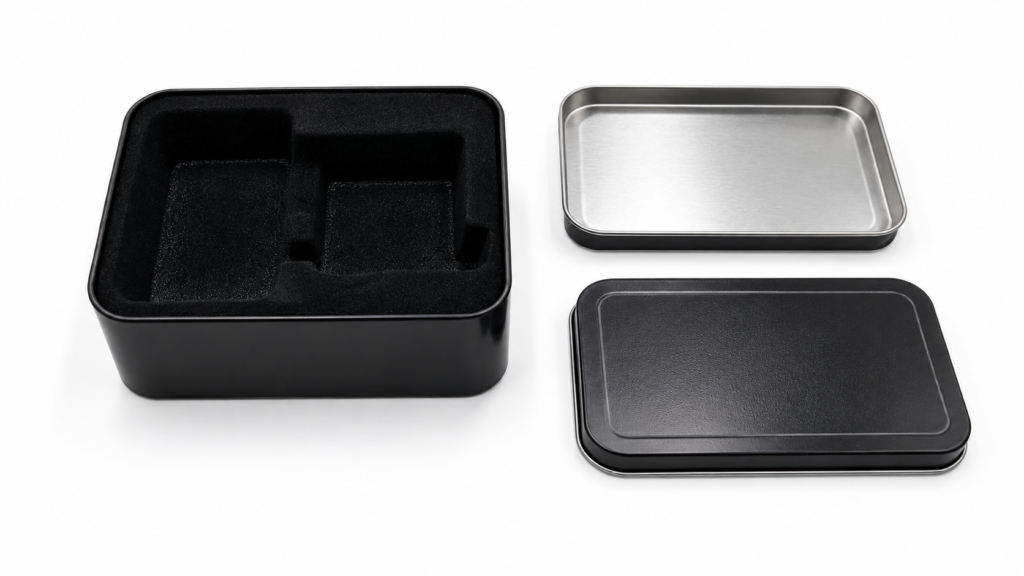
Different insert options can protect products, organize compartments and improve presentation inside custom tin packaging.
8. Sampling, Production Lead Time and Shipping
Sampling allows buyers to confirm the tin structure, dimensions, printing, color and finishing before mass production. A custom printed sample usually takes approximately 15–20 days after the artwork and specifications are confirmed. New tooling or complex structures may require additional development time.
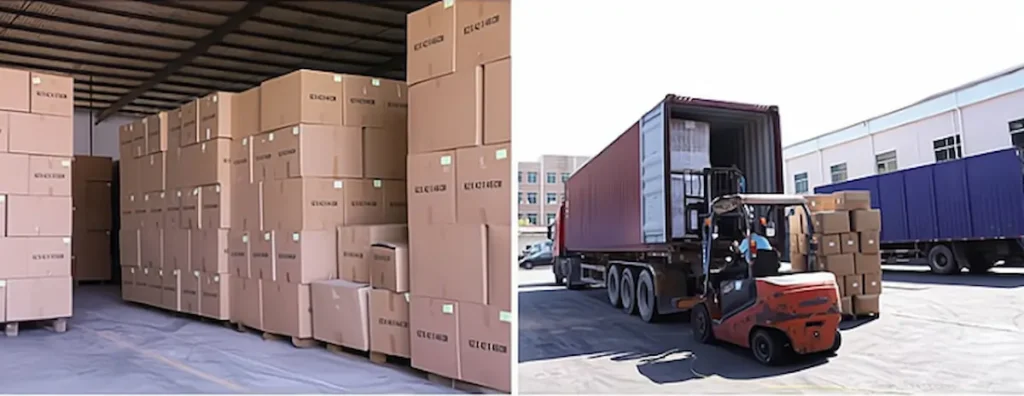
Mass production normally takes approximately 25–35 days after sample approval, while complex projects may take 35–45 days. Shipping cost depends on the order quantity, carton dimensions, destination and delivery method. Because empty tins occupy considerable volume, buyers should compare product cost and freight together when evaluating the total landed cost.
Typical Export Packing Options
The packing method is selected according to the tin shape, surface finish and transportation requirements. Common options include individual protective bags, tissue or non-woven wrapping, carton dividers and reinforced export cartons. Additional protection may increase packing cost and carton volume but can help reduce scratches, dents and movement during transportation.
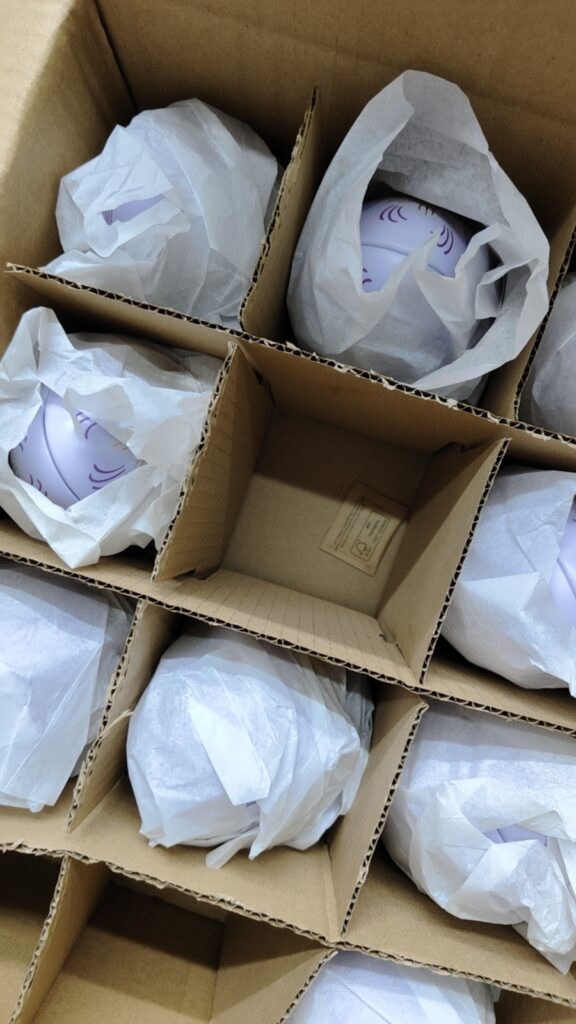
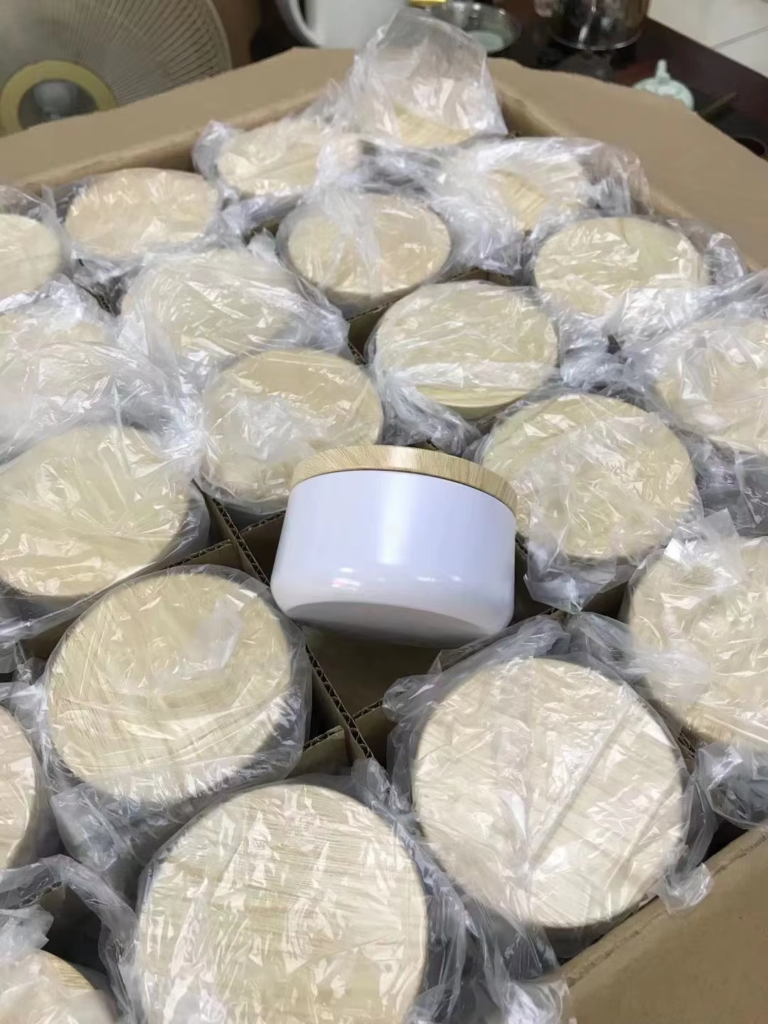
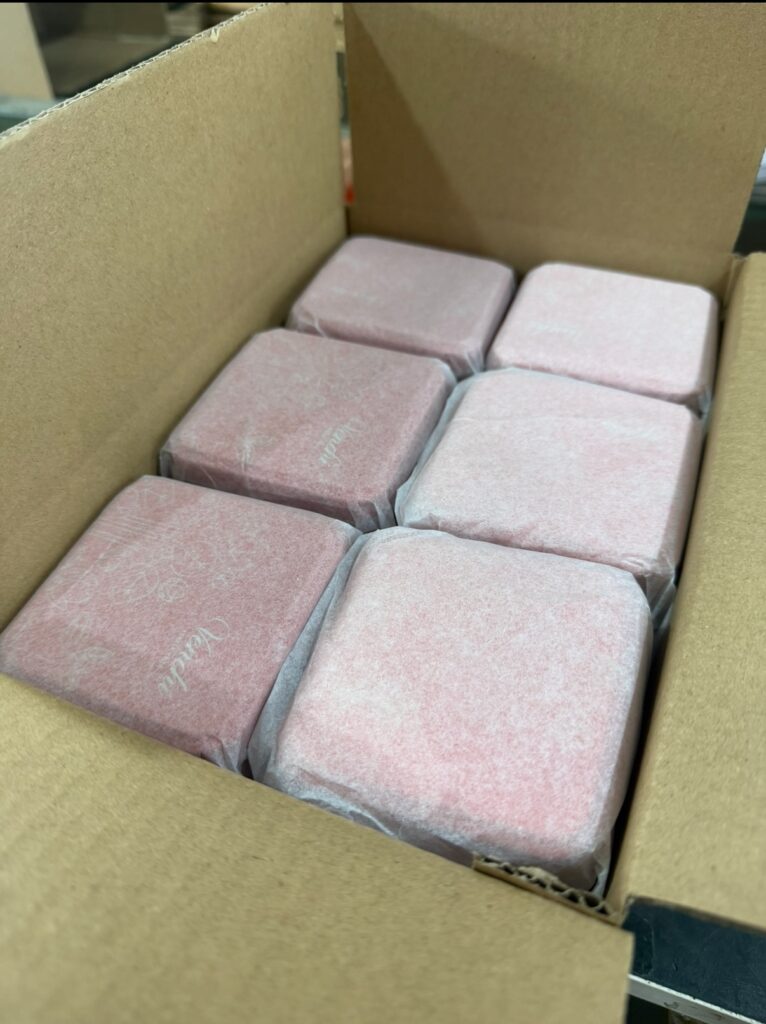
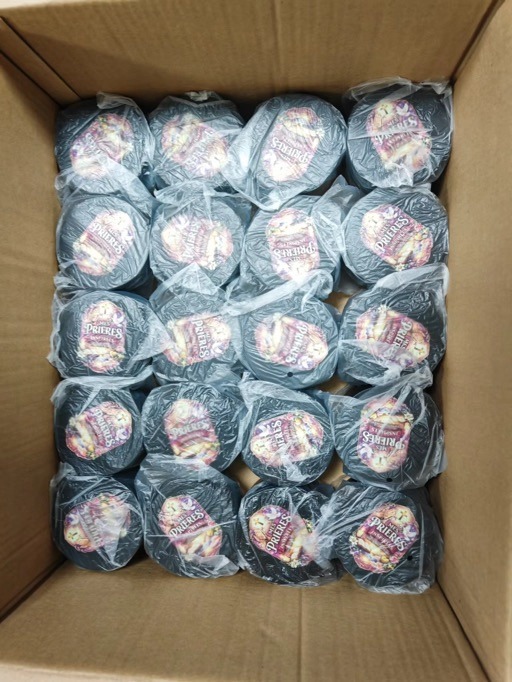
Packing methods can be adjusted according to the tin structure, surface finish and shipping requirements.
What Information Is Needed for an Accurate Quote?
Providing complete project information helps the supplier evaluate suitable molds, materials, production processes and shipping options. Before requesting a quotation, prepare the following details:
- Required tin shape and internal or external dimensions
- Intended product and filling capacity
- Order quantity for each size and artwork design
- Existing mold preference or requirement for new tooling
- Tinplate thickness and internal coating requirements
- Printing colors, surface finish and embossing details
- Insert type and other packaging accessories
- Food-contact or target-market testing requirements
- Delivery destination and preferred shipping method
- Required completion or delivery date
If some specifications are not yet confirmed, reference photos and product samples can be used as a starting point. The supplier can then recommend suitable existing molds and cost-effective production options.
Frequently Asked Questions
Is There a Standard Price for Custom Tin Boxes?
No. Custom tin box cost depends on the tin size, structure, material, order quantity, printing, finishing, inserts, tooling and shipping requirements.
What Is the Typical MOQ for Custom Tin Boxes?
For projects using an existing mold, the typical MOQ is approximately 3,000–5,000 pieces per design. Complex structures, child-resistant tins, new tooling or multiple artwork designs may require a higher quantity.
Do All Custom Tin Boxes Require New Tooling?
No. An existing mold can often be used when a suitable size and structure are available. New tooling is generally required for an exact proprietary size, a special structure or a highly customized shape.
How Long Does Sampling and Production Take?
A custom printed sample usually takes approximately 15–20 days after the artwork and specifications are confirmed. Mass production normally takes 25–35 days after sample approval, while complex projects may require 35–45 days.
Get an Accurate Custom Tin Box Quote
Send us your product details, required quantity, reference images and delivery destination so that we can evaluate an accurate custom tin box cost for your project.
With access to more than 10,000 existing mold options, Sencantong can help evaluate suitable tin sizes, structures, printing, finishes and inserts for your project. Send us your product details, required quantity, reference images and delivery destination to receive a customized quotation.
Please include the desired size, quantity, artwork requirements and delivery country in your inquiry.